



Camptothecins
Camptothecins act through DNA topoisomerase I (Top1), an enzyme essential for DNA replication and transcription[1][2]. Mechanistically, camptothecin, topotecan, and irinotecan stabilize Top1-DNA cleavable complexes, block DNA resealing, and generate replication-associated DNA double-strand breaks[3][4]. This Top1-focused mechanism distinguishes camptothecins from Top2 inhibitors, which can induce DNA damage in both replicating and non-replicating cells[3]. In intact cells, topotecan-induced Top1-DNA covalent complexes can be detected by immunoblotting, immunofluorescence, or flow cytometry, supporting mechanism-based pharmacodynamic analysis[5]. In cancer models, ATR inhibition sensitizes cells to camptothecin-class Top1 inhibitors by disabling DNA replication initiation and fork elongation responses[6]. Camptothecin derivatives also poison Leishmania DNA topoisomerase IB and reduce parasitic burden in infected splenocytes[7]. For colorectal cancer research, SN-38 suppresses Nrf2 transcriptional activity and can enhance sensitivity to Nrf2-sensitive anticancer drugs[8].
References:
- [1]. Wang W, et al. The optimal choice for pancreatic anastomosis after pancreaticoduodenectomy: A network meta-analysis of randomized control trials. Int J Surg. 2018 Sep;57:111-116. [Content Brief]
- [2]. Jain CK, et al. Natural Compounds as Anticancer Agents Targeting DNA Topoisomerases. Curr Genomics. 2017 Feb;18(1):75-92. [Content Brief]
- [3]. Zhao H, et al. Relationship of DNA Damage Signaling to DNA Replication Following Treatment with DNA Topoisomerase Inhibitors Camptothecin/Topotecan, Mitoxantrone, or Etoposide. Cytometry A. 2011 Dec 2;79A:21172. [Content Brief]
- [4]. Yakkala PA, et al. Prospects of Topoisomerase Inhibitors as Promising Anti-Cancer Agents. Pharmaceuticals (Basel). 2023 Oct 13;16(10):1456. [Content Brief]
- [5]. Patel AG, et al. Immunodetection of human topoisomerase I-DNA covalent complexes. Nucleic Acids Res. 2016 Apr 7;44(6):2816-26. [Content Brief]
- [6]. Jossé R, et al. ATR inhibitors VE-821 and VX-970 sensitize cancer cells to topoisomerase i inhibitors by disabling DNA replication initiation and fork elongation responses. Cancer Res. 2014 Dec 1;74(23):6968-79. [Content Brief]
- [7]. Prada CF, et al. Gimatecan and other camptothecin derivatives poison Leishmania DNA-topoisomerase IB leading to a strong leishmanicidal effect. Biochem Pharmacol. 2013 May 15;85(10):1433-40. [Content Brief]
- [8]. Wang J, et al. SN-38, an active metabolite of irinotecan, inhibits transcription of nuclear factor erythroid 2-related factor 2 and enhances drug sensitivity of colorectal cancer cells. Mol Carcinog. 2024 Apr;63(4):742-756. [Content Brief]
-
Camptothecins Related Products (42)
Related Products (42)

-
DXd
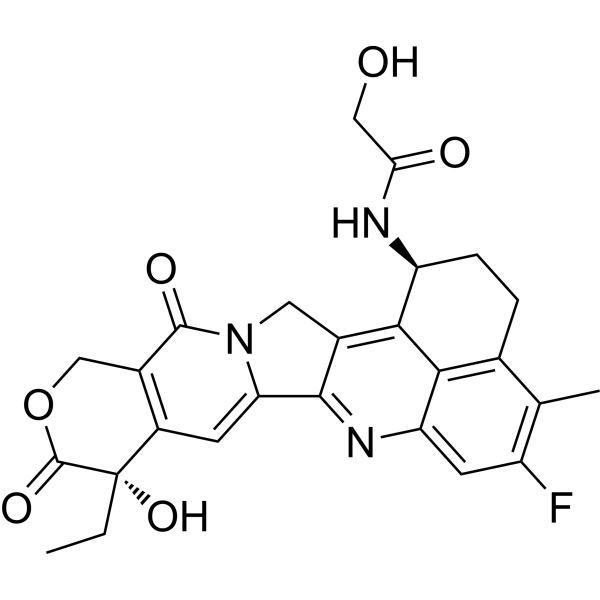 0 ImagesSynonyms: Exatecan derivative for ADCDXd (Exatecan derivative for ADC) is a potent DNA topoisomerase I inhibitor, with an IC50 of 0.31 μM, used as a conjugated drug of HER2-targeting ADC (DS-8201a).
-
SN-38
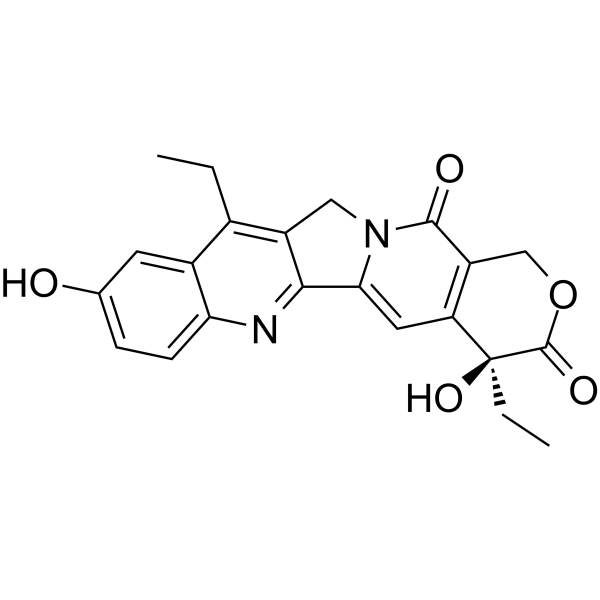 0 ImagesSynonyms: 7-Ethyl-10-hydroxycamptothecinSN-38 is an active metabolite of the Topoisomerase I inhibitor Irinotecan. SN-38 can bind to RPL15. SN-38 inhibits DNA and RNA synthesis with IC50s of 0.077 and 1.3 μM, respectively. SN-38 is a payload of sacituzumab govitecan (HY -132254).
-
Exatecan mesylate
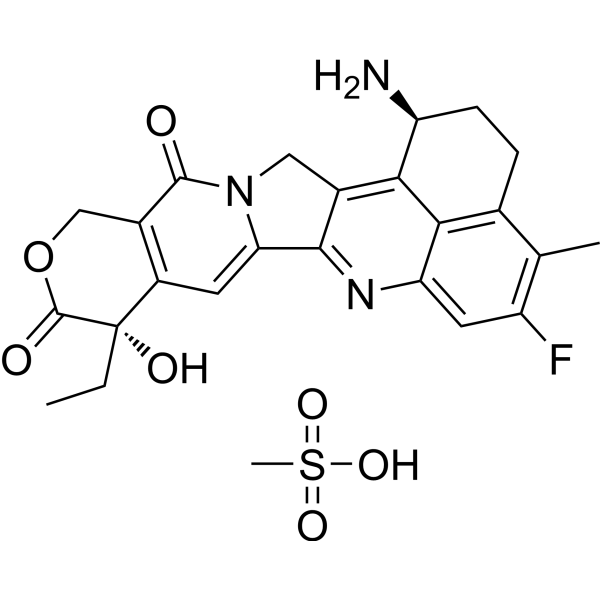 0 ImagesSynonyms: DX8951fExatecan mesylate (DX8951f) is a DNA topoisomerase I inhibitor, with an IC50 of 2.2 μM (0.975 μg/mL). Exatecan mesylate can be used in cancer research.
-
Exatecan
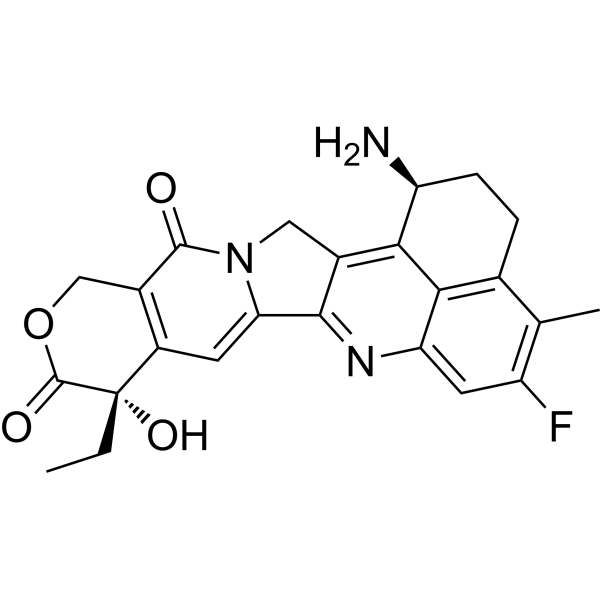 0 ImagesSynonyms: DX-8951Exatecan (DX-8951) is a DNA topoisomerase I inhibitor, with an IC50 of 2.2 μM (0.975 μg/mL), and can be used in cancer research.
-
Camptothecin
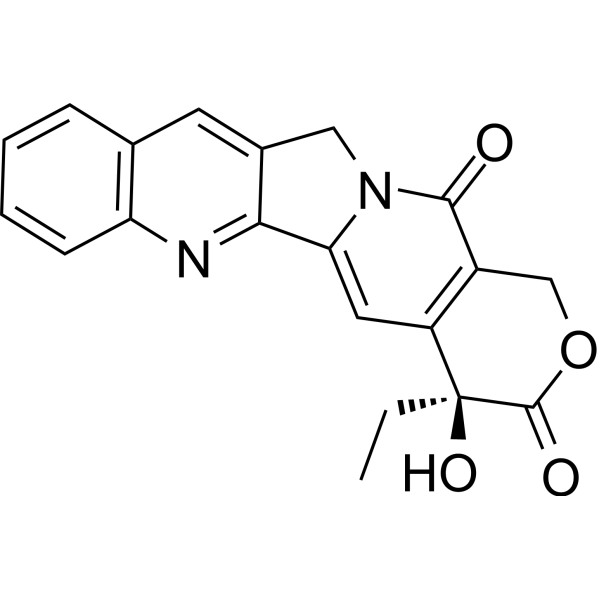 0 ImagesSynonyms: Campathecin; (S)-(+)-Camptothecin; CPTCamptothecin (CPT), a kind of alkaloid, is a DNA topoisomerase I (Topo I) inhibitor with an IC50 of 679 nM. Camptothecin (CPT) exhibits powerful antineoplastic activity against colorectal, breast, lung and ovarian cancers, modulates hypoxia-inducible factor-1α (HIF-1α) activity by changing microRNAs (miRNA) expression patterns in human cancer cells.

-
Exatecan-d5 mesylate
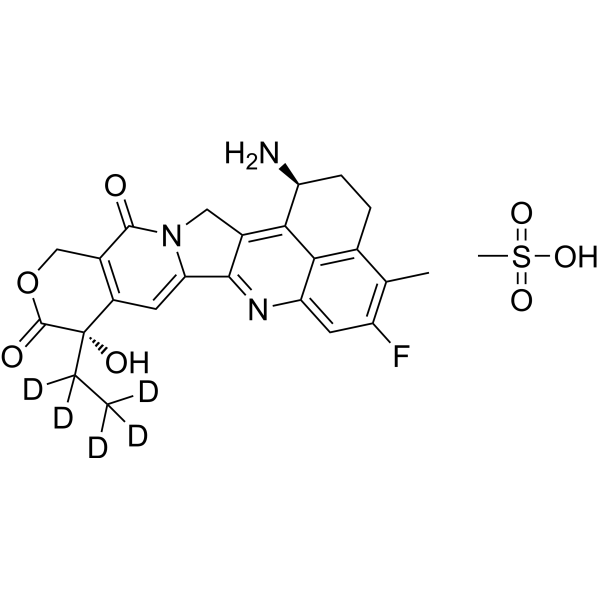 0 ImagesSynonyms: DX8951f-d5; Deuterated labeled Exatecan mesylateExatecan-d5 (DX8951f-d5) mesylate is deuterium labeled Exatecan mesylate (HY-13631A). Exatecan mesylate is a DNA topoisomerase I inhibitor, with an IC50 of 2.2 μM (0.975 μg/mL). Exatecan mesylate can be used in cancer research.
-
Exatecan Intermediate 1
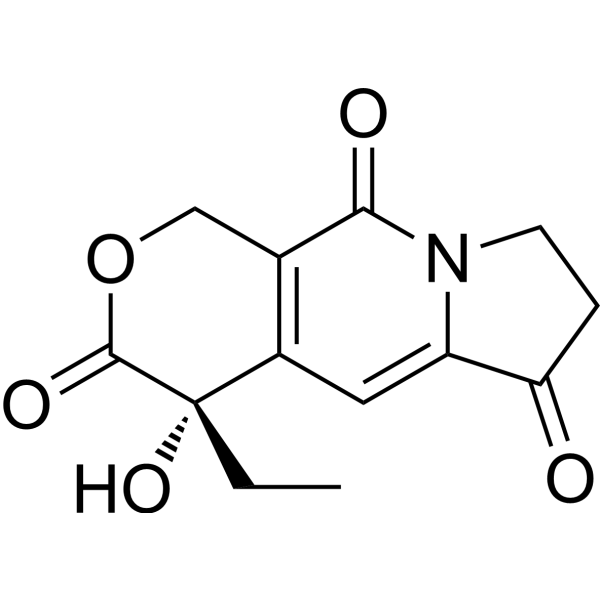 0 ImagesExatecan Intermediate 1 (compound 6) is an intermediate of Exatecan (HY-13631). Exatecan is a DNA topoisomerase I inhibitor with anticancer effects.
-
Exatecan Intermediate 2
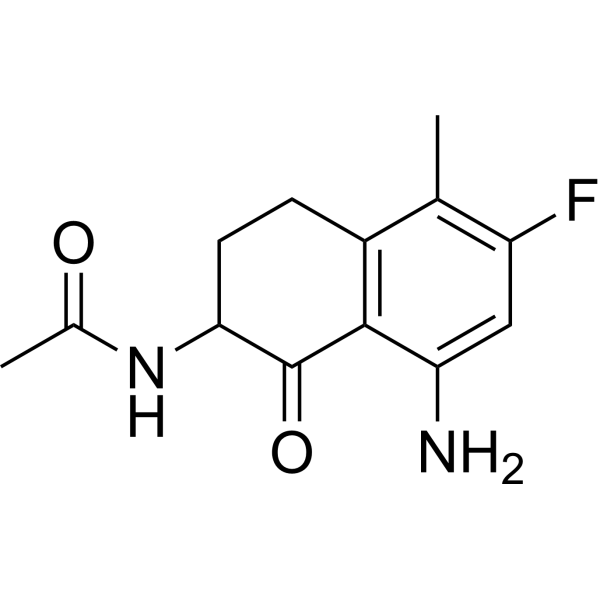 0 ImagesExatecan Intermediate 2 (Compound B) is an intermediate of Exatecan (DX-8951, HY-13631). Exatecan is an anticancer agent belonging to the class of camptothecin analogs. Exatecan interferes with the proliferation and division of tumor cells by interacting with DNA, thereby inhibiting tumor growth. Exatecan is primarily used for research of a variety of cancers including ovarian, lung and breast cancers.
-
(4-NH2)-Exatecan
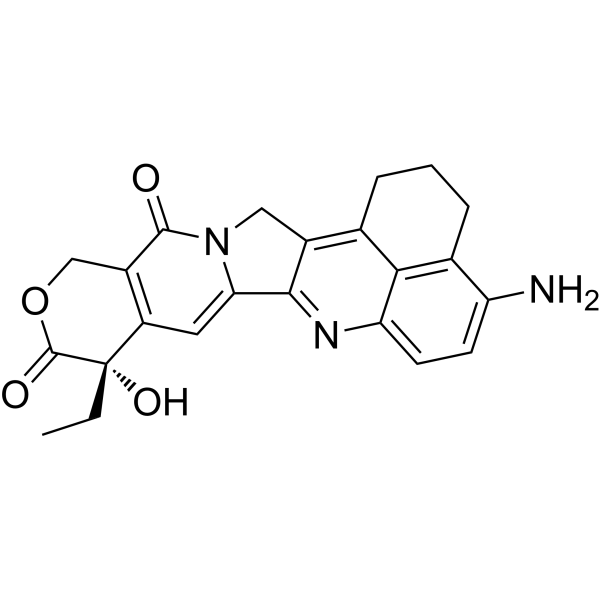 0 ImagesSynonyms: AZ14170132(4-NH2)-Exatecan (compound A), a topoisomerase inhibitor, is a derivative of Exatecan. (4-NH2)-Exatecan can be used in the synthesis of antibody-drug conjugates (ADCs).
-
Exatecan mesylate (GMP)
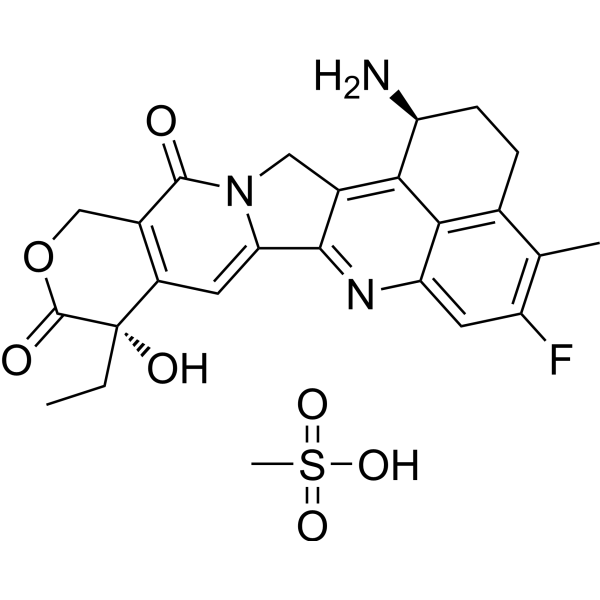 0 ImagesCat. No.: HY-13631AGCAS No.: 169869-90-3Synonyms: DX8951f (GMP)
-
Exatecan Intermediate 6
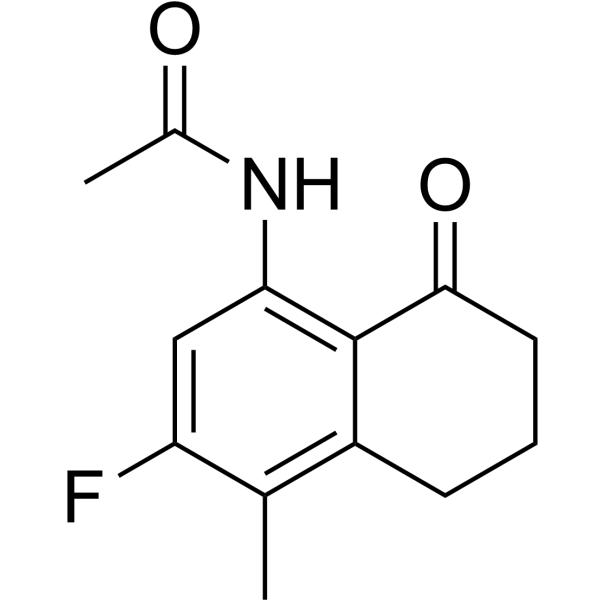 0 ImagesExatecan Intermediate 6 is the intermediate of Exatecan (HY-13631) And Exatecan (DX-8951) is a DNA topoisomerase I inhibitor with an IC50 value of 2.2 μM (0.975 μg/mL) that can be used in cancer research. Exatecan Intermediate 6 can be used to synthesize Antibody-Drug Conjugates (ADCs).
-
7-MAD-MDCPT
 0 Images7-MAD-MDCPT, a Camptothecin analog, is a toxin payload in antibody drug conjugates (ADCs).
-
(αR)-Cyclopropaneacetamide-Exatecan
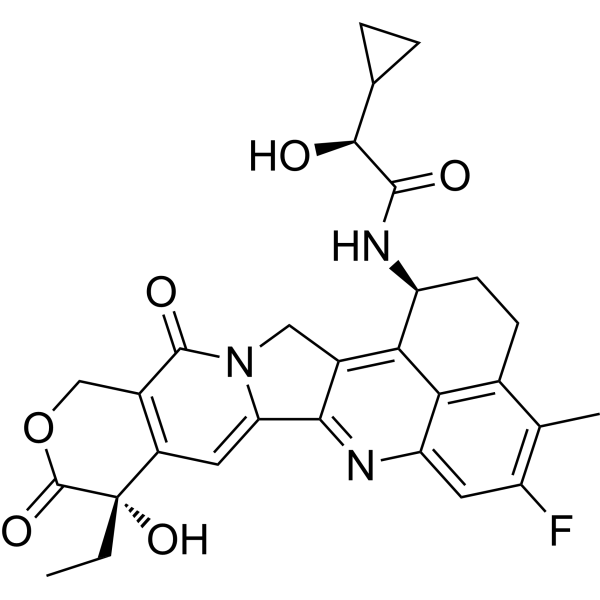
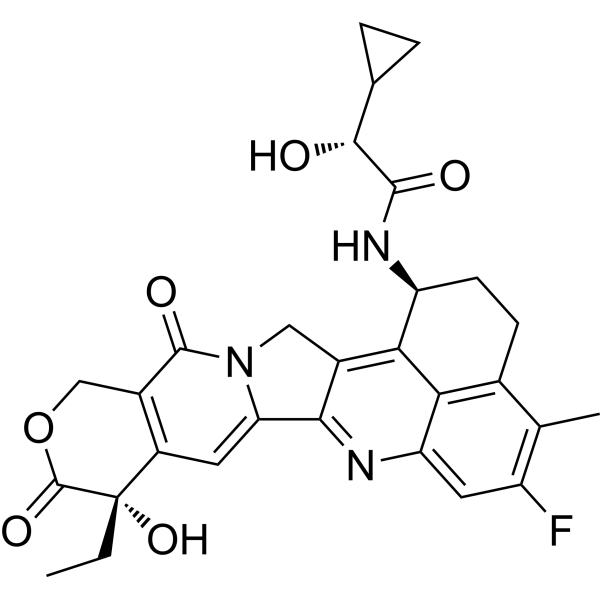 0 ImagesSynonyms: SHR169265(αR)-Cyclopropaneacetamide-Exatecan (SHR169265) is a DNA Topoisomerase I inhibitor with enhanced membrane permeability (with an IC50 of 1.34 μM against the human DNA Topoisomerase I). (αR)-Cyclopropaneacetamide-Exatecan exerts cytotoxic effects by inhibiting the enzymatic activity of Topoisomerase I, and this anticancer effect is independent of the expression level of HER2. (αR)-Cyclopropaneacetamide-Exatecan is an ADC Cytotoxin derived from Exatecan (HY-13631), which can be used in research related to advanced cancers such as breast cancer, gastric cancer, colorectal cancer and non-small cell lung cancer.
-
Ac-Exatecan
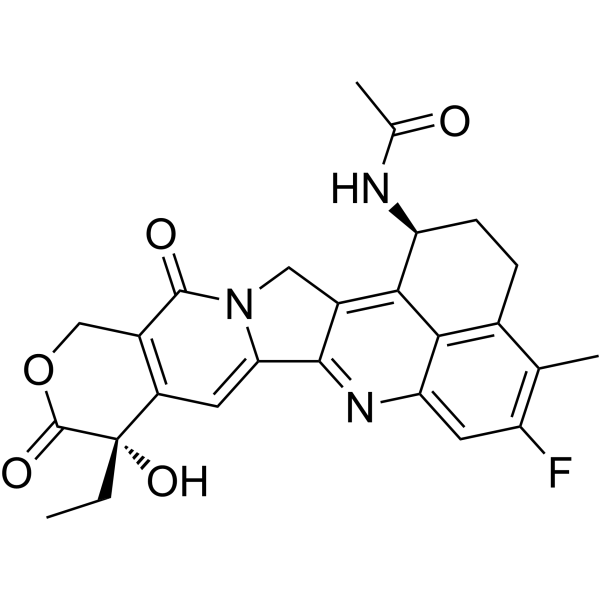 0 ImagesAc-Exatecan is acetylation-modified Exatecan (HY-13631). Exatecan is a common toxin component in ADC preparation (ADC cytotoxin) and an inhibitor of DNA topoisomerase I (IC50 = 2.2 μM). Exatecan has antitumor activity. Exatecan can be used as a payload for ADC. Exatecan is effective against P-glycoprotein mediated multi-drug resistant cells.
-
(R)-Exatecan Intermediate 1
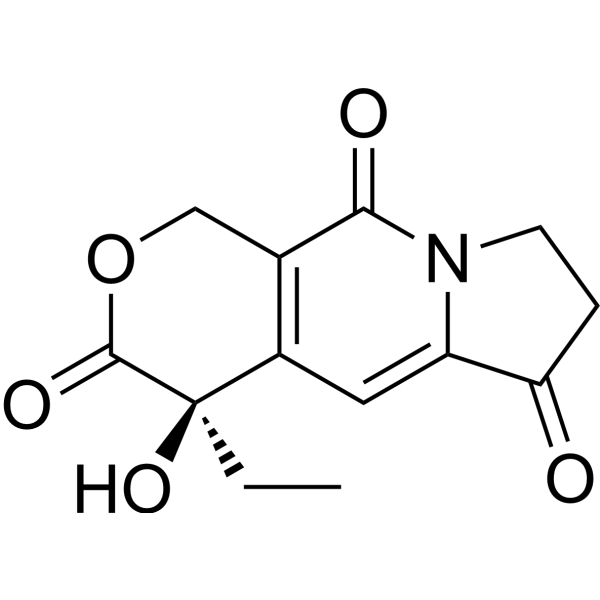 0 ImagesCat. No.: HY-42487BCAS No.: 110351-91-2(R)-Exatecan Intermediate 1 is a key intermediate in the synthesis of Camptothecin (HY-16560) derivatives, and can be used to prepare Exatecan mesylate (DX8951f) (HY-13631A). (R)-Exatecan Intermediate 1 enables the synthesis of Exatecan, which exhibits low sensitivity to multidrug resistance and has great value in anti-tumor research.
-
Exatecan Intermediate 5
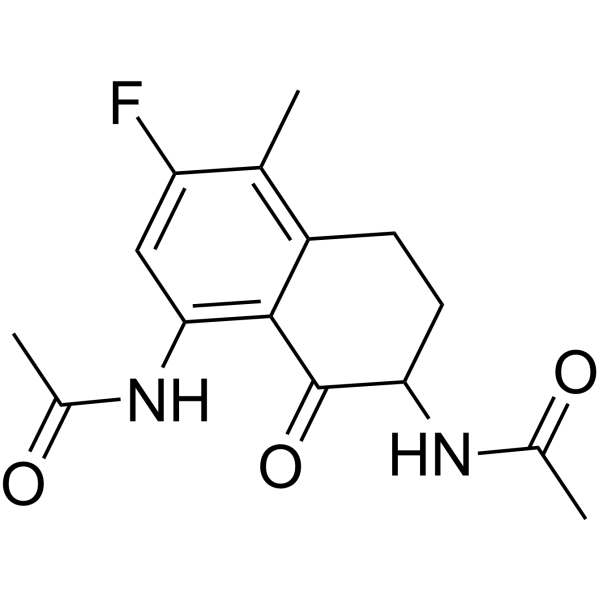 0 ImagesExatecan Intermediate 5 is the intermediate of Exatecan (HY-13631) And Exatecan (DX-8951) is a DNA topoisomerase I inhibitor with an IC50 value of 2.2 μM (0.975 μg/mL) that can be used in cancer research. Exatecan Intermediate 5 can be used to synthesize Antibody-Drug Conjugates (ADCs).
-
(rac)-Exatecan Intermediate 1
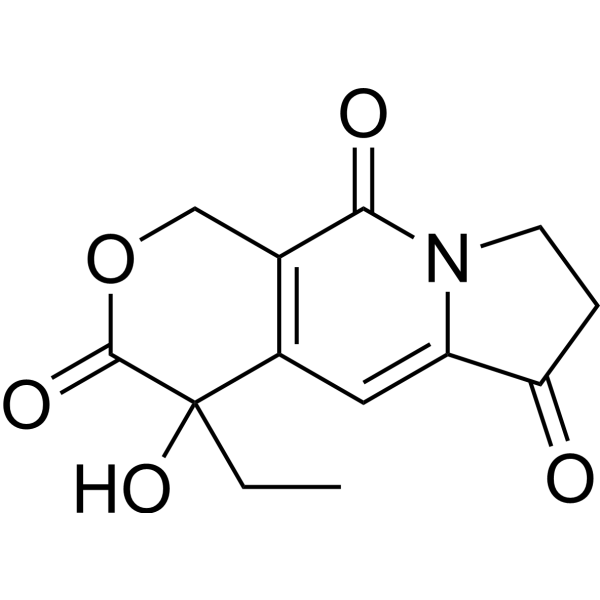 0 Images(rac)-Exatecan Intermediate 1 is an isomer of Exatecan Intermediate 1 (HY-42487). Exatecan Intermediate 1 (compound 6) is an intermediate of Exatecan (HY-13631), a camptothecin-based anticancer agent. Exatecan inhibits tumor growth by interfering with the proliferation and division of tumor cells by interacting with DNA. Exatecan is primarily used in research into a variety of cancers including ovarian, lung and breast cancer.
-
Exatecan intermediate 9
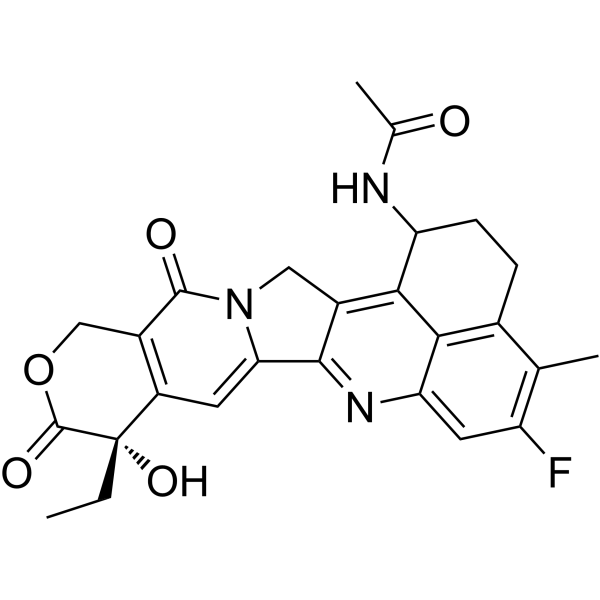 0 ImagesCat. No.: HY-43565CAS No.: 2290562-59-1Exatecan intermediate 9 is an intermediate for the synthesis of Exatecan (HY-13631). Exatecan (DX-8951) is a common toxin component in ADC preparation (ADC Cytotoxin) and an inhibitor of DNA topoisomerase I (IC50=2.2 μM).



